By Amara Lang Clayton, Marketing Conference & Event Planner From October 21—23, 2026, Medicaid directors from across the nation and U.S. territories convened at the National Association of Medicaid Directors (NAMD) 2026 Conference. The conference featured programming on major policy and operational priorities, including 1115 waivers, children's behavioral health, duals integration, technology modernization efforts, and more. Against the backdrop of H.R. 1 implementation, directors were working through community engagement requirements, provider taxes, state-directed payments, and eligibility changes as January 1, 2027, approached. Across these discussions, a common theme emerged: meaningful progress depends on trust, transparency, and collaboration among states, providers, community organizations, and federal partners. Using Collaboration to Strengthen Medicaid One of the strongest takeaways was that collaboration will play a defining role in the future of Medicaid. Whether the focus is fraud prevention, children’s behavioral health, technology modernization, rural health care access, pharmacy costs, or managed care oversight, lasting progress depends on sustained, two-way engagement among states, federal partners, providers, community organizations, families, and Medicaid beneficiaries. This means listening to stakeholder perspectives, incorporating feedback into policy and implementation, and maintaining open communication and shared accountability throughout the process. In the session, Building Children’s Behavioral Health by Design, speakers highlighted the importance of this collaborative approach. As more children experience mental, emotional, and behavioral health challenges, states are working to better align Medicaid, behavioral health, education, child welfare, and community-based support systems. Expanding home- and community-based services, strengthening early intervention, and improving crisis response can help support children and families before
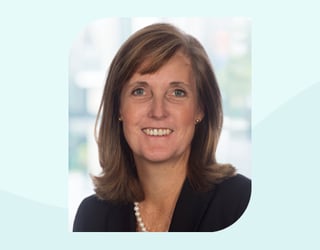
Oct 9, 2026 – By Susan Baker, Executive Vice President and General Manager, Integrated Health Solutions If you've worked in the healthcare field for any length of time, you're keenly aware that no two organizations, communities, stakeholders, or partners are alike. Each brings unique experiences, perspectives, and priorities. That reality calls for curiosity rather than assumptions. Whether you're leading a team, managing a program, or working alongside partners to address complex challenges, asking thoughtful questions and taking the time to listen can uncover insights that might otherwise be missed and establish a foundation for stronger relationships, better decisions, and lasting impact. Curiosity Inspires Listening In healthcare, it is natural to want to move quickly toward solutions. Challenges need to be addressed, decisions need to be made, and progress needs to happen. However, moving too quickly toward a solution can mean solving the wrong problem. Curiosity encourages us to pause, ask thoughtful questions, and understand what matters most to the people and organizations we serve. Instead of assuming we know what a stakeholder or partner needs, we can ask: What challenge are you trying to solve? What's getting in the way of success? What concerns haven't been addressed? What would a successful outcome look like from your perspective? These conversations often reveal insights that data, reports, and dashboards can’t provide on their own. They help uncover barriers, identify opportunities, and deepen understanding of the people and programs behind the numbers. Questions may start the conversation, but listening is what helps create the understanding that moves it forward. Listening Builds Trust Trust is essential to every successful partnership, but it is not created through contracts, kickoff meetings, or project plans alone. Trust grows when people feel heard, respected and understood. Listening with the goal of understanding—not simply preparing a response—signals that
Sep 29, 2026 – An Acentra Perspective for State Medicaid Agencies By Heidi Robbins Brown, Vice President of Medicaid Policy and Client Engagement The Next Phase of Rural Health Transformation Has Begun As states move from the Rural Health Transformation (RHT) application and award phase into implementation, the criteria for success are changing. Future funding is expected to depend increasingly on implementation performance, reporting quality, and measurable progress, not just the strength of an initial application. For state Medicaid agencies, the focus is shifting from planning to execution. 5 Actions States Should Take Now Develop a rescoring readiness strategy. Capture evidence of progress throughout the year. Strengthen governance and executive oversight. Build dashboards to monitor performance and reporting. Continuously monitor and respond to CMS guidance From Application Scoring to Performance Scoring During the initial award phase, CMS evaluated application quality, proposed initiatives, and policy commitments. As implementation advances, future annual rescoring is expected to place greater emphasis on execution, milestone achievement, reporting quality, and measurable outcomes. The question is no longer, "What did you propose?" It's increasingly, "What have you accomplished?" What We Expect CMS to Focus On As the program matures, CMS is expected to emphasize: Progress toward approved transformation initiatives Execution of policy and operational commitments Reliable, high-quality reporting and data integrity Demonstrated improvements in rural health access, quality, and outcomes Building strong governance and performance management capabilities today will help states meet tomorrow's expectations. Managing Emerging Risks CMS guidance, scoring methodologies, and reporting expectations will likely continue to evolve. States should avoid treating compliance as a one-time reporting exercise and instead establish ongoing monitoring and operational readiness. Questions also rem
Sep 28, 2026 – By: Nilay Patel, Executive Vice President and General Manager, HealthTech Systems Modernizing Medicaid technology is essential. But for state agencies, the path forward must protect the people and providers who rely on these systems every day. A phased, modular approach can reduce implementation risk, improve adaptability, and deliver value sooner. Read on to learn how thoughtful modernization can strengthen Medicaid operations without interrupting care. Read more in Route Fifty* here. *This article was originally published in Route Fifty
Sep 17, 2026 – By: Lindsey Rodarmer, MS, Public Relations Manager Medicaid program integrity is entering a new era — one shaped by stronger collaboration, smarter use of data, and decisive action. Drawing on key insights from NAMPI 2026, we explore how stakeholders can work together to identify emerging risks, improve oversight, and protect program resources. Read on for practical takeaways to help advance Medicaid integrity efforts and strengthen outcomes for the people and communities these programs serve. Read more in Health IT Answers* here. *This article was originally published in Health IT Answers
Sep 2, 2026 – By Kindel Holloman, Marketing Manager The 2026 Home and Community-Based Services Conference, held August 23-27, 2026, at the Baltimore Marriott Waterfront in Baltimore, Maryland, brought together policymakers, program administrators, providers, and advocates to share ideas, discuss emerging trends, and identify ways to strengthen home- and community-based services (HCBS) across the country. The sessions covered a wide range of topics, but several themes surfaced repeatedly. Together, they pointed to five useful questions for understanding the opportunities and challenges shaping the future of HCBS. 1. How can states meet growing HCBS demand with a limited workforce? The long-term success of home- and community-based services depends on a stable, skilled, and well-supported direct care workforce. Throughout the conference, discussions focused on moving beyond short-term staffing challenges and developing sustainable workforce strategies that address recruitment, retention, training, career advancement, and leadership development. Speakers highlighted efforts by states, providers, and managed care organizations to strengthen workforce pipelines while preparing for increased demand driven by demographic changes and growing service needs. Many also emphasized that retaining experienced workers requires more than competitive wages and training opportunities. Flexible schedules, compressed workweeks, and work-from-home arrangements, when appropriate, were frequently discussed as ways to help employees balance work and caregiving responsibilities. A clear theme emerged: workforce sustainability depends on a growing understanding that retaining experienced workers requires policies that support employees both on and off the job. Without that support, workforce gains can be difficult to sustain. 2. How can states better recognize, support, and sustain family caregivers so individuals can remain in their homes and communities? Family caregivers play a vital role in helping in
Aug 27, 2026 – By Cristina Simas, Marketing Manager The next phase of Medicaid modernization will require flexibility, accountability, and partnership. MESC 2026 provided a forum for examining both the current landscape and the future of the Medicaid enterprise, bringing together states, territories, innovators, and federal leaders around a shared reality: Medicaid is entering a more demanding era. H.R.1, rural health challenges, workforce pressures, data quality, compliance requirements, and the need to do more with less are accelerating the need for modernization. CMS emphasized that modernization should be measured by outcomes, not implementation milestones. Systems and investments must improve program operations and beneficiary experiences while enabling states to adapt to changing policies and operational demands. At the same time, artificial intelligence (AI) is influencing conversations about eligibility, operations, and program integrity, making responsible governance and workforce readiness increasingly important. The discussions at MESC reinforced a clear message: modernization is no longer a one-time technology initiative. It is an ongoing discipline requiring states, CMS, and technology partners to work together to build more adaptable, accountable, and resilient Medicaid enterprise systems. The Cost of Standing Still is Rising Medicaid agencies were already operating under significant fiscal and workforce pressure. New federal requirements will place additional demands on eligibility and enrollment operations, affecting how they verify information, process renewals, and communicate with beneficiaries. States must be able to implement policy changes efficiently while minimizing administrative burden. When legacy systems and disconnected processes cannot keep pace, the impact shows up quickly in renewal backlogs, avoidable errors, increased call-center demand, and greater compliance risk. At the same time, reduced federal funding and growing complexity require states to
Jul 14, 2026 – By Nilay Patel, Executive Vice President and General Manager Despite a dip when COVID-era provisions ended, Medicaid enrollment continues to go up. In 2024, Medicaid enrollment increased by about 30% since February 2020. And in March 2026, the Kaiser Family Foundation shared that the Medicaid/CHIP enrollment reported by the Centers for Medicare & Medicaid Services (CMS) enrollment has increased by just over 4 million people since 2020, despite large swings during the pandemic period. Many states struggle to attract and retain providers in their Medicaid networks. In the face of a growing Medicaid population, to provide the care members need, it is crucial that State Medicaid Agencies (SMAs) do whatever they can to enroll providers of the right types, in the right places, to care for their clients. One way to do this is to make the enrollment process as frictionless as possible by selecting the right enrollment platform. Efficient, easy provider enrollment is the first step to ongoing provider engagement It’s crucial to have healthcare providers available to care for Medicaid clients wherever and whenever they need it. SMAs can take steps to meet providers where they are by making enrollment as simple and straightforward as possible. This sets the stage for a strong, ongoing relationship with providers. Here are 4 steps SMAs can take when choosing an enrollment platform to promote a robust network and provider engagement: 1. Make enrollment as streamlined as possible As the number of patients outpaces the number of providers, they are having to take on larger and larger patient loads. Plus, providers have growing administrative burdens, and they are already tasked with enrolling with multiple different payers. Providers are stressed and busy, so it is essential that Medicaid enrollment processes are understandable, require minimal effort, and are processed and approved quickly. The SMA’s first impression with a provider is during the enrollment process, which set
Jun 30, 2026 – By Nilay Patel, Executive Vice President and General Manager, HealthTech Systems When you hear the words "claim denial" or "encounter processing," it's easy to assume that the organization handling those transactions is making decisions about a person's medical care. In reality, claims and encounters processing occurs after healthcare services have already been delivered. Claims and encounters processing is fundamentally different from clinical decision-making. Understanding this distinction is important for healthcare providers, Medicaid members, policymakers, and the public. What Are Claims & Encounters? After a patient receives healthcare services, providers submit official documentation so they can be paid for the care they have already delivered. What is a Claim? A claim is a request for reimbursement, or payment, submitted by a credentialed healthcare provider. It includes information such as: The services provided Dates of service Diagnosis and procedure codes Provider information Patient eligibility details Claims are reviewed to ensure they meet program and policy requirements, comply with applicable regulations, and contain accurate information before the payment is issued. What are Encounters? Encounters differ from claims. They document healthcare services provided to beneficiaries enrolled in managed care plans. Unlike traditional fee-for-service claims, encounter data helps states and health plans track services delivered, monitor program performance, and meet reporting requirements. Important note: Both claims & encounters are administrative records of patient care for services that have already occurred. Acentra Health’s Role in the Claims & Encounters Process Acentra Health offers a Claims, Encounters, and Financial Management Solution that helps state and federal healthcare programs, such as Medicaid and Medicare, process large volumes of claim and encounter records accurately and efficiently. Acentra Health’s technology solutions autom